
How to Get Rid of Possums (Safe, Legal & Humane Methods)
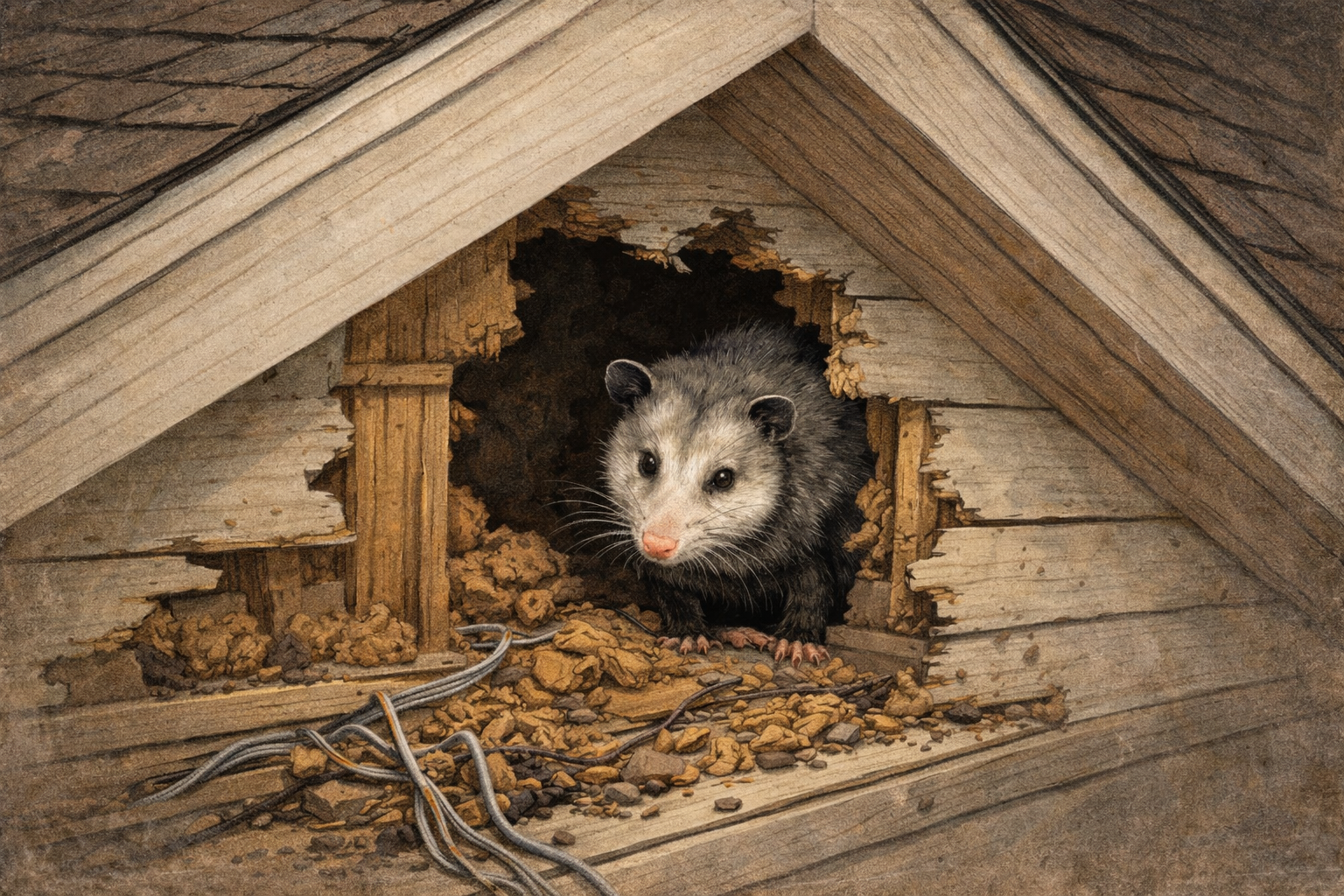
Possums (often called opossums in North America) can become a serious nuisance when they move into attics, roofs, crawl spaces, or gardens. While they play an important role in the ecosystem, they can cause property damage, noise, and hygiene issues when living too close to humans.
This guide explains how to get rid of possums safely, legally, and humanely—without harming wildlife.
Why Possums Invade Homes
Possums are attracted to homes because they offer:
- Shelter from predators and weather
- Easy access to food
- Quiet nesting areas
Common Signs of a Possum Problem
- Loud thumping or scratching noises at night
- Droppings around roofs, attics, or yards
- Torn roof shingles or damaged vents
- Overturned trash cans
- Damage to gardens, fruits, or pet food
Step 1: Identify Entry Points
Possums are excellent climbers and can enter through small gaps.
Check for:
- Roof gaps and broken tiles
- Attic vents and soffits
- Chimneys without caps
- Gaps under decks or houses
⚠️ Do not seal entry points immediately if a possum may still be inside.
Step 2: Use Humane Exclusion (Best Solution)
The most effective and legal method is exclusion, not trapping or poisoning.
How Humane Exclusion Works
- Install one-way exit doors at entry points
- Possums leave but cannot re-enter
- After confirming they are gone, seal all openings permanently
This method prevents reinfestation and avoids harming the animal.
Step 3: Remove Food Sources
Possums will stay if food is easy to find.
Secure or remove:
- Open trash bins
- Pet food left outdoors
- Fallen fruit from trees
- Bird seed and feeders
Food removal alone can encourage possums to relocate naturally.
Step 4: Use Natural Possum Deterrents
Deterrents help discourage return, especially after exclusion.
Effective deterrents include:
- Ammonia-soaked rags (near entry points, not inside living areas)
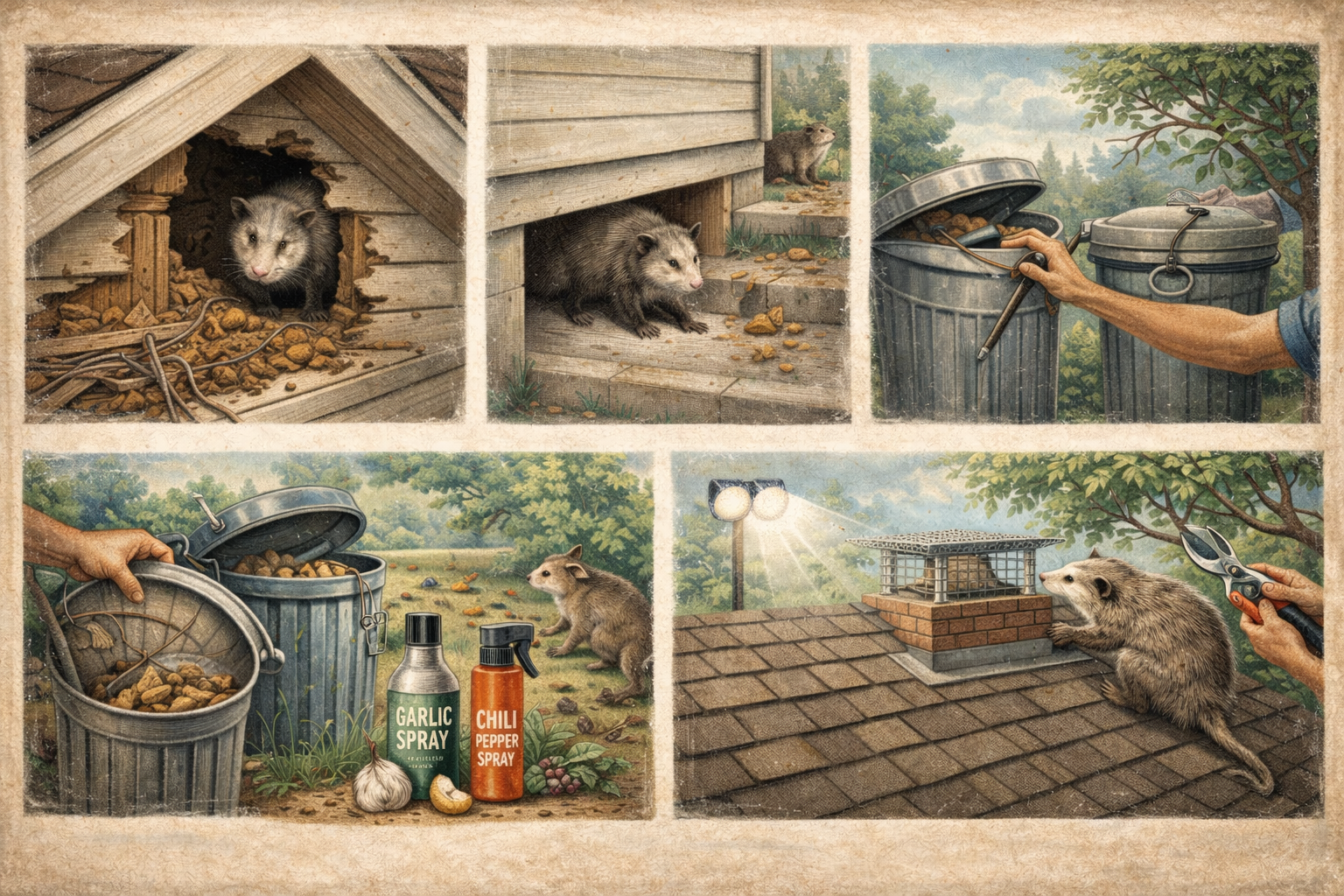
- Garlic or chili-based sprays (outdoor use)
- Motion-activated lights
- Motion-activated sprinklers
⚠️ Avoid mothballs—they are toxic and unsafe.
Step 5: Secure Your Home & Yard
Prevention is critical.
- Install chimney caps
- Reinforce vents with metal mesh
- Trim tree branches 6–10 feet away from the roof
- Block access under decks and sheds
- Repair roof and fascia damage promptly
Step 6: Trapping (Check Local Laws First)
In many regions:
- Trapping is regulated
- Relocation without permits may be illegal
- Improper handling can injure the possum or violate wildlife laws
If trapping is allowed, it should be handled by professionals.
When to Call a Wildlife Control Professional
Call an expert if:
- Possums are inside walls or attic
- You suspect babies are present
- Multiple entry points exist
- Structural damage has occurred
Professionals provide:
- Humane exclusion systems
- Wildlife-safe removal
- Damage repair and prevention
FAQ – Getting Rid of Possums
Are possums dangerous?
They are generally non-aggressive but can carry parasites and cause damage if cornered.
Will possums leave on their own?
Sometimes—but only if food and shelter are removed.
What smells do possums hate?
Ammonia, garlic, chili, and strong lights can deter them.
Is it legal to kill possums?
In many areas, killing possums is illegal. Always check local wildlife laws.
Can possums damage my house?
Yes. They can tear insulation, damage wiring, and weaken roof structures.